

Blockchain eliminates the need for intermediaries, such as auditors, to verify transactions, thereby reducing costs and streamlining operations. The technology ensures that records are consistent and tamper-proof, which enhances trust and compliance with regulatory standards. As a result, blockchain is revolutionizing the way accounting is conducted by making record-keeping more efficient and secure. Blockchain is a decentralized digital ledger technology that records transactions across multiple computers in a way that ensures the data is secure, transparent, and immutable. Each transaction is grouped into a block and linked to the previous one, forming a chain of blocks, hence the name blockchain.
AICPA tax priorities and wins in the budget bill now with the House
It offers the potential to transform traditional practices by enhancing transparency, accuracy, and efficiency. Users can complete rights, obligations and ownership interactions and transactions. Coupled with the use of AI, blockchain could save accounting professionals heaps of time on manual data inputting, auditing and fraud prevention. A significant drawback of some blockchain implementations, particularly those utilizing Proof of Work (PoW) consensus mechanisms, is their power-intensive nature. The computational processes required for transaction validation and maintaining the blockchain demand substantial energy consumption.
CHIPS Act final regs. offer many taxpayer-friendly provisions
- Additionally, the decentralised nature of Blockchain Accounting promotes trust among participants, as they all have access to the same source of truth.
- They do this securely using a consensus protocol or a set of agreed-upon rules.
- Traditionally, each department maintains its own records, which need to be cross-checked and reconciled.
- The above encompasses the primary way that companies can use blockchain in accounting.
- This increased visibility allows accountants to monitor financial activities more effectively, ensuring compliance with regulatory standards and internal controls.
- Blockchain technology is poised to revolutionize the accounting industry by introducing unparalleled levels of transparency and security.
- Pursuing ACCA courses or an industry-oriented accounting and financial management degree with roots in FinTech can help you learn more about this subject.
Blockchain is built on several key components that make it perfect for financial transactions. • Being a service auditor for a blockchain used by a consortium of companies to ensure the controls on a blockchain. Digital technology has long influenced accounting, but most digital technology has involved replacing analog tools with similar digital counterparts. However, blockchain, a relatively new technology, is poised to change how accounting is done on a more fundamental level.

ACCOUNTING for Everyone
In the interim, CPAs should commit to learn about the technology, experiment with it and participate in its innovation. Even so, a blockchain in accounting wide range of approaches have emerged that may lead to block-chain accounting systems (see Exhibit 3). Even though blockchain technology is more secure than a traditional database, it is still susceptible to a security breach. In a public network, a group of participants (or participant) with 51% of the computing power may collude to revise transactions in the network.
What Is The Purpose Of Blockchain?
Blockchain accounting will demand a similar commitment but could deliver unprecedented value for practices that embrace it. To become truly an integral part of the financial system, blockchain must be developed, standardised and optimised. This process is likely to take many years – it has already been nine years since bitcoin began operating and there is much work still to be done.

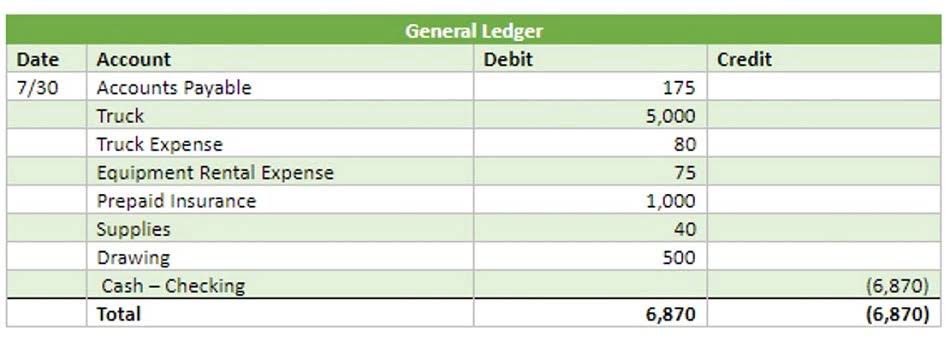
All transactions are visible to authorized participants, which makes auditing much more straightforward. Imagine having a clear, unalterable record of every https://www.bookstime.com/ financial transaction your business has ever made. With blockchain, every entry is timestamped and linked to previous records, creating an easily traceable audit trail.
Enhanced transparency also facilitates real-time auditing, allowing auditors to verify transactions as they occur. This continuous auditing process can lead to more efficient and less costly audits, as discrepancies can be identified and addressed promptly. Consequently, businesses can maintain greater integrity and trust with their clients and partners. Another significant challenge is the susceptibility to fraud and manipulation in conventional accounting methods. Centralized databases and paper-based records can be easily altered or destroyed, making it difficult to ensure the authenticity and reliability of financial information. This lack of security can undermine trust among net sales stakeholders and complicate regulatory compliance.
To stay ahead of the curve, think about enrolling into an industry-oriented accounting programme like the accounting courses offered at The London School of Business and Finance (LSBF UK) today. Blockchain Accounting demands a skilled workforce in technology, cryptography, and contracts. Overcoming the talent gap is vital, necessitating targeted training or hiring to handle Blockchain’s complexities. One of the earliest applications of Blockchain technology was eliminating the need for intermediaries in money transfers.
What role does technology play in shaping the future of Blockchain Accounting careers?
However, it’s important to remember that while blockchain technology in accounting holds immense potential, it is still in its early stages. Widespread adoption will take time as businesses and regulatory bodies work through scalability and integration challenges. Blockchain enhances transparency in accounting by providing all participants in the network access to the same information.
Recent Comments